Apple's Strategic Delay of iPhone 18 Revealed: Leaker Details Market-Driven Pause
Breaking: Apple Delays iPhone 18 Launch in Calculated Market Move
A prominent leaker claims Apple has deliberately postponed the standard iPhone 18 release to extend iPhone 17 dominance and cut costs. The move, described as a "remarkably clever market adjustment mechanism," aims to maximize sales during China's Double 11 event.
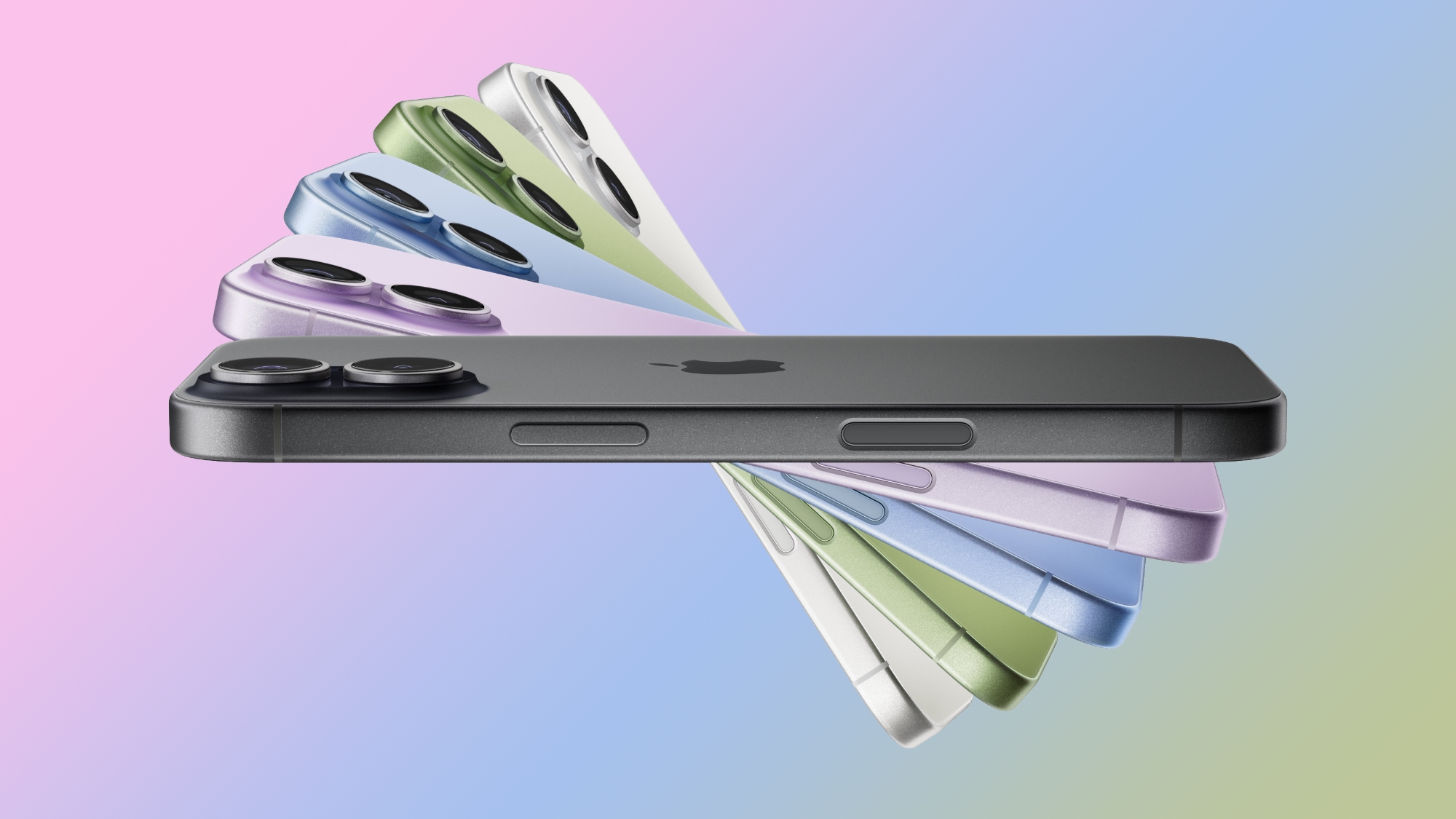
"Apple proactively chose to delay the standard iPhone 18 as a deliberate market strategy," said the leaker, known as Fixed Focus Digital, on Weibo. The delay is said to lower production costs and improve competitive positioning against Android rivals.
Background: Supply Chain and Downgrades
Fixed Focus Digital reported that global supply chain shortages made a downgrade of the iPhone 18 inevitable. Rather than rushing a compromised device, Apple opted to extend the iPhone 17's production cycle.
"By extending the iPhone 17's production cycle and launching a large-scale manufacturing ramp, Apple is using the additional time to let the iPhone 17 consolidate market share at the mainstream price tier," the leaker added. The iPhone 17 is expected to have sufficient supply for China's Double 11 shopping event in late 2025.
Downgrades affect display specifications and the A-series chip. Apple may rename the chip to obscure the extent of changes. Engineering Validation Testing for the iPhone 18 and iPhone 18e occurs simultaneously in June 2026, indicating significant engineering overlap.
Interchangeable Parts with iPhone 18e
Fixed Focus Digital further stated that certain parts are interchangeable between the standard iPhone 18 and the lower-cost iPhone 18e. "Take it from me: The standard iPhone 18 model has been downgraded and its launch delayed—this decision is final and will not change," the leaker asserted.
What This Means
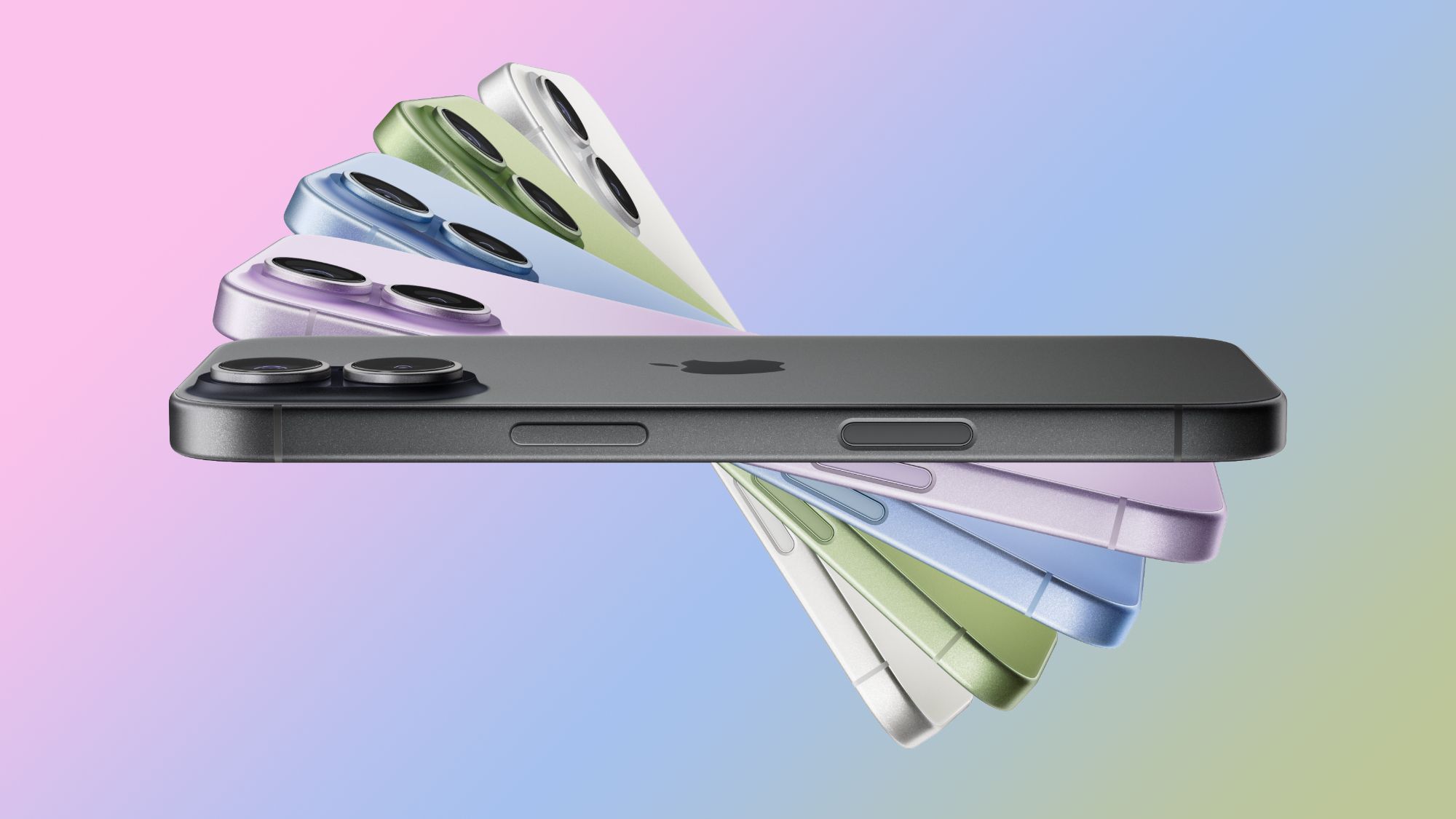
The delay shifts Apple's product cadence. The iPhone 18, iPhone 18e, and iPhone Air 2 are expected in spring 2027, while the iPhone 18 Pro, iPhone 18 Pro Max, and foldable "iPhone Ultra" launch in fall 2026. This split strategy may confuse consumers but allows Apple to target the premium segment earlier.
For Android competitors, the extended iPhone 17 lifecycle intensifies pressure at the midrange. Apple's cost-cutting through downgrades could improve margins while maintaining market share. Industry analysts see this as a pragmatic response to supply constraints and a maturing smartphone market.
Related Articles
- 7 Secrets to a Better YouTube Music Experience on Your Foldable (Including That Hidden Setting)
- How iOS 26 Transforms the iPhone’s Phone App into a Must-Use Tool
- How to Ensure Your iPhone-Android Chats Are Encrypted with RCS
- Apple Unveils On-Device Automatic Captioning for Personal Videos in iOS 27
- Apple Finally Secures Cross-Platform Messaging: End-to-End Encryption for iPhone-Android RCS Arrives in iOS 26.5
- React Native 0.84 Launches with Hermes V1 as Default Engine, Promises Major Performance Boost
- Build Cross-Platform VR Apps: React Native Now Officially Supports Meta Quest
- 10 Privacy Controls WhatsApp Must Implement for a Peaceful Messaging Experience