Can a Father’s Exercise Boost His Child’s Athletic Potential?
Recent research from Nanjing University has revealed a fascinating possibility: a father’s exercise habits before conception might influence his children’s physical abilities. Biochemist Xin Yin led a study in Jiangsu, China, where he observed that mice whose fathers exercised regularly were born with a natural athletic edge—able to run longer with less lactic acid buildup than mice from non‐exercising fathers. This surprising finding hints that the benefits of working out may extend beyond the individual to future generations. Below, we explore the key questions raised by this study.
What Is the Key Discovery About Father’s Exercise and Offspring?
Xin Yin and his team found that baby mice from fathers that exercised before mating were remarkably more athletic than those from sedentary fathers. The offspring could run longer on a treadmill and accumulated less lactic acid—a marker of muscle fatigue—than control littermates. This was true even though both groups came from the same genetic stock and received no special training. The only difference was the father’s pre‐conception exercise routine. The team was stunned by the data, as it suggests that lifestyle choices made before having a child can have a tangible impact on the next generation's physical performance.
How Was the Study Conducted?
The experiment took place on a sunny afternoon in Jiangsu, China. Yin played ‘personal trainer’ to mice, placing them one by one on a miniature treadmill. The treadmill started slowly and gradually increased in speed. The mice tested were littermates—some from fathers who had exercised regularly prior to mating, others from non‐exercising fathers. No genetic engineering or special training was involved; both sets of mice were genetically identical and raised under identical conditions. The only variable was whether their father had been active before they were conceived. The results were clear: pups from active fathers outperformed their counterparts, running longer distances and showing less fatigue.
Is It About Genes or Something Else?
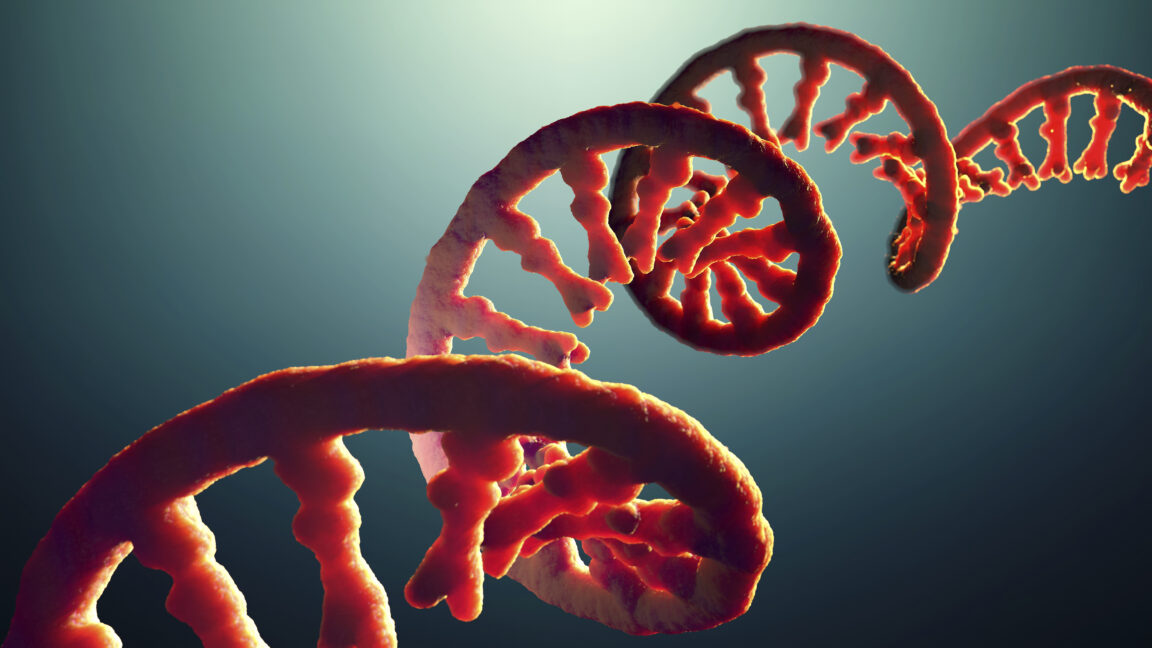
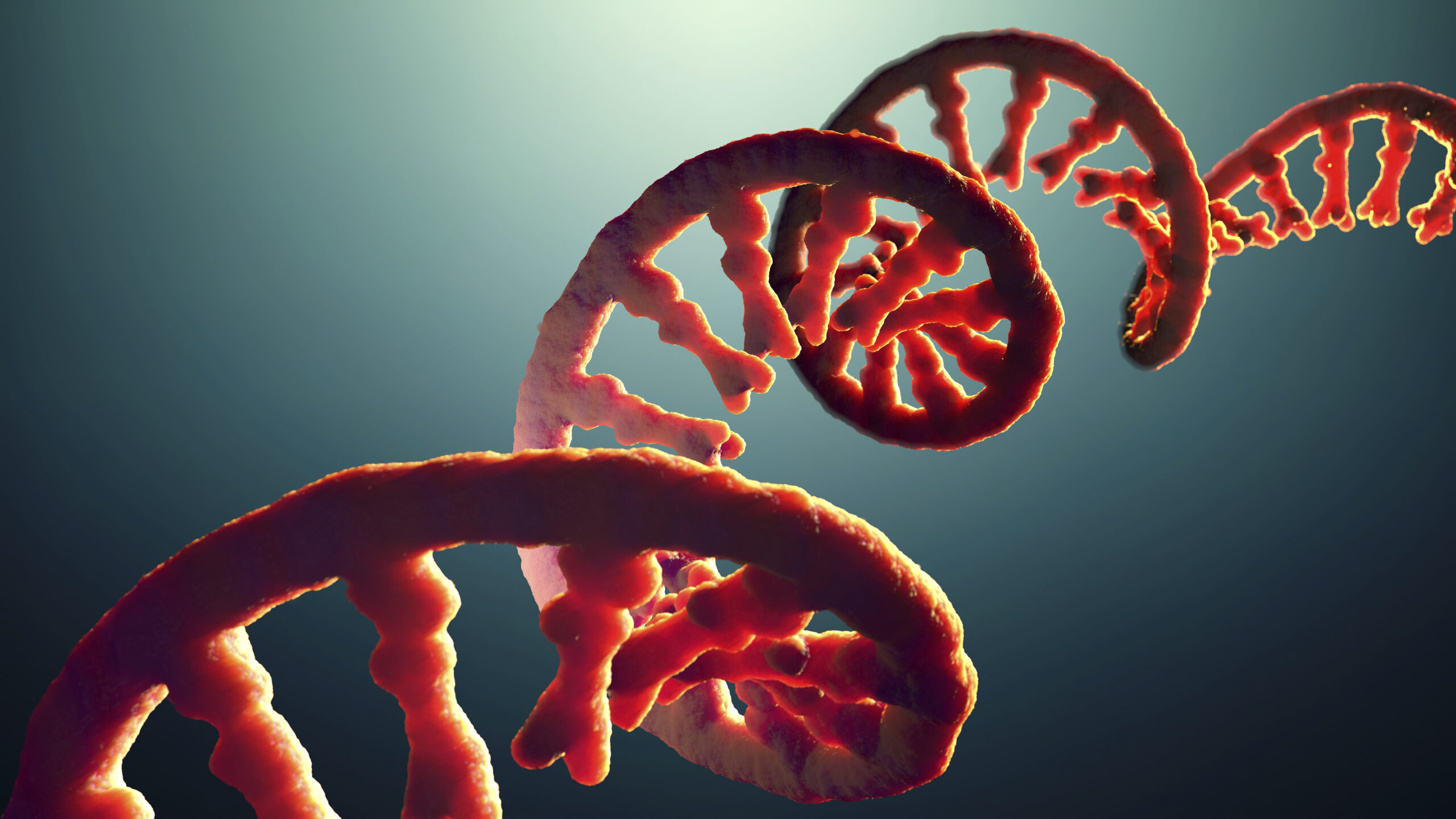
No, it’s not about inherited DNA sequences. The father mice did not pass on any new genes to their offspring. Instead, the effect appears to be epigenetic—changes in how genes are expressed without altering the underlying DNA. Yin’s work suggests that exercise triggers modifications in the father’s RNA payload transmitted via sperm. These molecules can influence embryo development, giving offspring a head start in muscle metabolism and stamina. This is part of a growing field called paternal epigenetic inheritance, where a parent’s life experiences before conception leave a molecular mark on the next generation.
What Are the Broader Implications?
If similar mechanisms exist in humans, it could mean that a father’s active lifestyle may help his children be naturally fitter. This has huge implications for public health, fitness training, and even our understanding of evolution. It suggests that we are not only shaped by our own behaviors but also by those of our parents before we were born. For example, men who plan to have children might be motivated to stay physically active not just for their own health but also for the potential benefits to their future offspring. However, caution is needed—human studies are still lacking, and the mouse model may not fully translate.
Do Humans Show the Same Effect?
Currently, there is no direct human evidence for this effect. All findings come from laboratory mice, which are a well‐established model but not identical to humans. The biological pathways—such as RNA transfer in sperm—exist in people, so it’s plausible, but proving it requires long‐term, controlled studies. Ethical constraints make such research challenging: you cannot easily assign men to exercise or not before they conceive and then track their children’s athleticism. Until human data emerge, we can only say that the mouse study raises intriguing possibilities rather than certainties.
What Are the Limitations of This Research?
The study has several limitations. First, it was performed on a small number of mice in a single lab—replication by other groups is needed. Second, the exact molecular mechanisms (which specific RNA molecules are involved) are not yet fully identified. Third, the increased stamina might be due to other factors, such as changes in the father’s sperm epigenome that affect not just muscle but also behavior or stress response. Finally, the effects in humans might be much smaller or absent due to our different reproductive biology and longer generation times. Thus, while the finding is exciting, it should be taken as a starting point for more research, not a definitive answer.
Related Articles
- 6 Pillars of Sticky Products: From MVP to Bedrock
- How to Understand Bitcoin's Journey to Becoming a Global Reserve Asset: Insights from Eric Trump and John Koudounis
- TrickMo Android Malware Evolves: Leveraging TON Blockchain for Stealthy Command-and-Control
- ECB President Lagarde: Why Euro Stablecoins Are Not the Path Forward
- Bitcoin-Backed Mortgages Surge as Homeownership Crisis Deepens, Experts Say
- Ford Reports Strong Q1 Performance Driven by Tariff Refund and Plant Recovery
- How to Build an AI Skill for Diagnosing Flaky Tests
- Building an AI-Powered Cybersecurity Training Program: A Step-by-Step Guide (Inspired by Herd Security)