How to Campaign for the Release of an Imprisoned Digital Rights Activist
Introduction
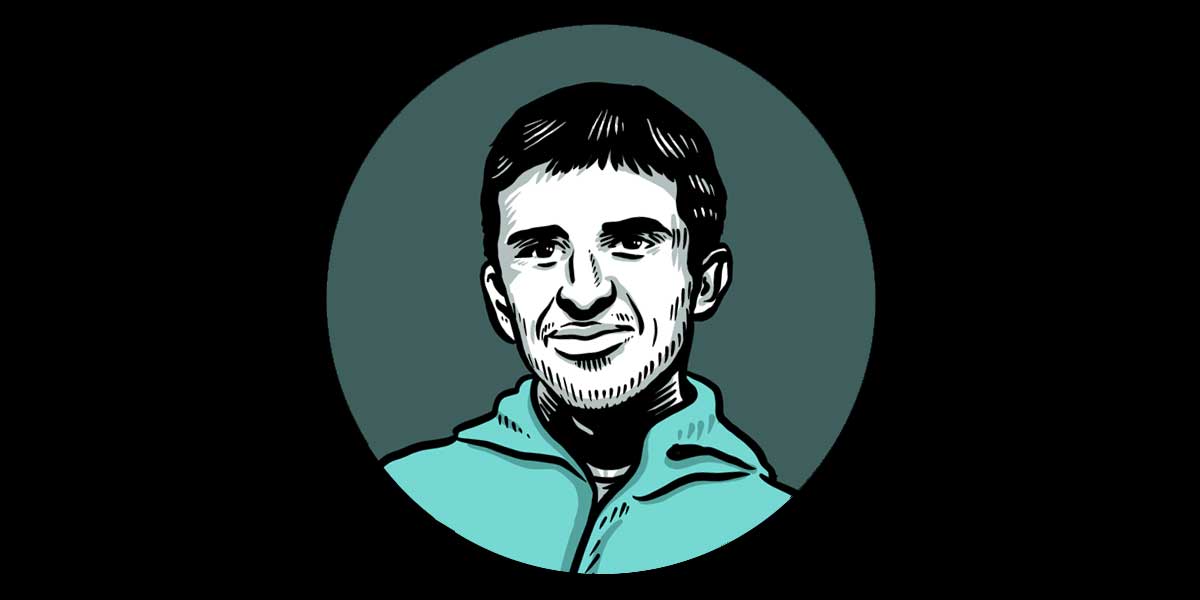
Imagine starting to contribute to Wikipedia at age 12, becoming a passionate blogger, and later being arrested for writing about human rights and open source technology. That’s the story of Osama Khalid, a Saudi Arabian medical student and digital rights activist who has been detained since July 2020, with a sentence that has fluctuated wildly from 5 to 32 years and now stands at 14 years. His case highlights how governments use vague cybercrime laws to silence critics. This guide will show you how to take meaningful action to support Osama and others like him—building international solidarity and pressuring authorities through public campaigns.
What You Need
- Internet access – for research, sharing, and signing petitions.
- Social media accounts (e.g., Twitter/X, Instagram, Facebook) to amplify the message.
- Basic knowledge of human rights organizations like ALQST and EFF.
- Time commitment – 1–2 hours per week to stay updated and act.
- Optional: A local activist group or willing friends to organize events.
Step-by-Step Campaign Actions
Step 1: Educate Yourself on the Case
Start by thoroughly understanding the facts. Osama began editing Arabic Wikipedia at 12, later became a vocal blogger on Saudi politics, internet freedom, and open source tech. He contributed to EFF’s HTTPS Everywhere. In July 2020, during COVID-19 lockdowns, he was arbitrarily detained. His original 5-year sentence was increased on appeal to 32 years, then reduced to 25 (2023) and 14 (September 2024). His ‘crime’? Publishing content online that contradicted official narratives, including Wikipedia articles on human rights defenders like Loujain al-Hathloul and al-Ha’ir prison. His blog was taken offline. Read the full story from trusted sources like EFF’s Offline campaign page and ALQST reports. Note the pattern: governments use national security claims to suppress free expression, as seen in cases of Ola Bini and Alaa Abd El Fattah.
Step 2: Amplify His Story on Social Media
Use your platforms to share Osama’s case. Post key facts: his age at arrest (adult – he was training to become a pediatrician), the arbitrary sentencing shifts, and the injustice of punishing peaceful speech. Tag relevant accounts like @EFF, @ALQST, and human rights journalists. Use hashtags such as #FreeOsamaKhalid #DigitalRights #SaudiCensorship. Create a simple graphic with his photo and the current sentence length. Encourage your followers to read and share the next steps.
Step 3: Sign and Share Petitions
Visit the websites of ALQST and EFF to find an up-to-date petition demanding Osama’s release. Sign it with your full name and email. Then share the petition link across your networks—email lists, WhatsApp groups, forums. Explain why this matters: supporting Osama isn’t just about one person; it defends the principle that writing code, translating software, and criticizing governments should not be crimes. Similar campaigns have had real impact for Ola Bini and Alaa Abd El Fattah.
Step 4: Contact Government Officials
Write to your country’s foreign ministry or embassy in Saudi Arabia. Use a template from ALQST or EFF, but personalize it. Mention that arbitrary sentencing itself violates international law. Request that they raise Osama’s case in diplomatic channels. Also contact your local members of parliament or congress – public pressure from multiple nations can shift political costs. Keep the tone respectful but firm: “We urge you to intervene for the immediate release of Osama Khalid, a prisoner of conscience.”
Step 5: Fundraise for Legal and Advocacy Efforts
Organizations like ALQST need resources to provide legal representation and international advocacy. Start a crowdfunding campaign on a platform like GoFundMe or through an existing non-profit. Donate directly if you can. Every dollar helps sustain the campaign. Share the fundraising link alongside Osama’s story. Consider matching donations from friends to double the impact.

Step 6: Organize Local Awareness Events
Host a small vigil, a film screening (e.g., documentaries on digital rights), or a panel discussion about censorship in Saudi Arabia. Invite local human rights groups. Hand out flyers with key facts and QR codes linking to petitions. If you’re a student, start a campus chapter focused on digital rights. These events build community and media attention. Use a local library, university, or online platform like Zoom.
Step 7: Engage with Traditional Media
Write a letter to the editor of your local newspaper or pitch a story to a journalist covering human rights. Highlight the absurdity of a sentence that changed so many times. Provide concrete quotes from the joint letter signed by EFF and others: “The huge discrepancy between sentences underscores the arbitrary manner of Saudi sentencing.” Offer to be interviewed or provide expert contacts from ALQST. Media coverage multiplies pressure.
Tips for a Successful Campaign
- Stay consistent – advocacy isn’t a one-time action. Check for case updates monthly and adjust your actions. Sentences can change again, as they did for Osama.
- Coordinate with established groups – ALQST, EFF, Amnesty International. They have resources and can guide you to avoid duplicating efforts.
- Focus on empathy – always remind people that Osama is a human being, a medical student, and a contributor to free knowledge. Personal stories move people more than statistics.
- Be mindful of timing – during UN sessions or international summits (e.g., Human Rights Council), advocacy has greater visibility. Plan your campaign actions around these events.
- Protect your own digital security – activists targeting Saudi Arabia may face online harassment or surveillance. Use encrypted messaging, strong passwords, and two-factor authentication.
- Celebrate small wins – even if Osama isn’t freed immediately, each shared post, each letter sent, and each donation adds up. Keep momentum high by acknowledging progress.
Remember: supporting Osama Khalid is about defending the universal right to freedom of expression. Every step you take helps shift the political cost of repression and brings us closer to justice.
Related Articles
- Navigating the Apple Card Switch to Chase: A Complete User’s Guide
- Microsoft SMS Organizer App to Shut Down: Users Urged to Export Data Now
- Hoto 25-Bit Electric Screwdriver: Amazon Flash Sale at $29 – Everything You Need to Know
- Kubernetes SELinux Mount Optimization: What v1.36 Means for Your Cluster
- Implementing Schema ID Header Migration in Kafka: A Practical Guide
- All About the Latest iOS 26.5 and iPadOS 26.5 RC 2 Builds
- 16 Years of Go: Key Milestones and Innovations in 2025
- AWS Unleashes Autonomous DevOps and Security Agents, Slashes Incident Response from Hours to Minutes