The Quest for Universal Blocks: A Protocol to Unify Web Content Components
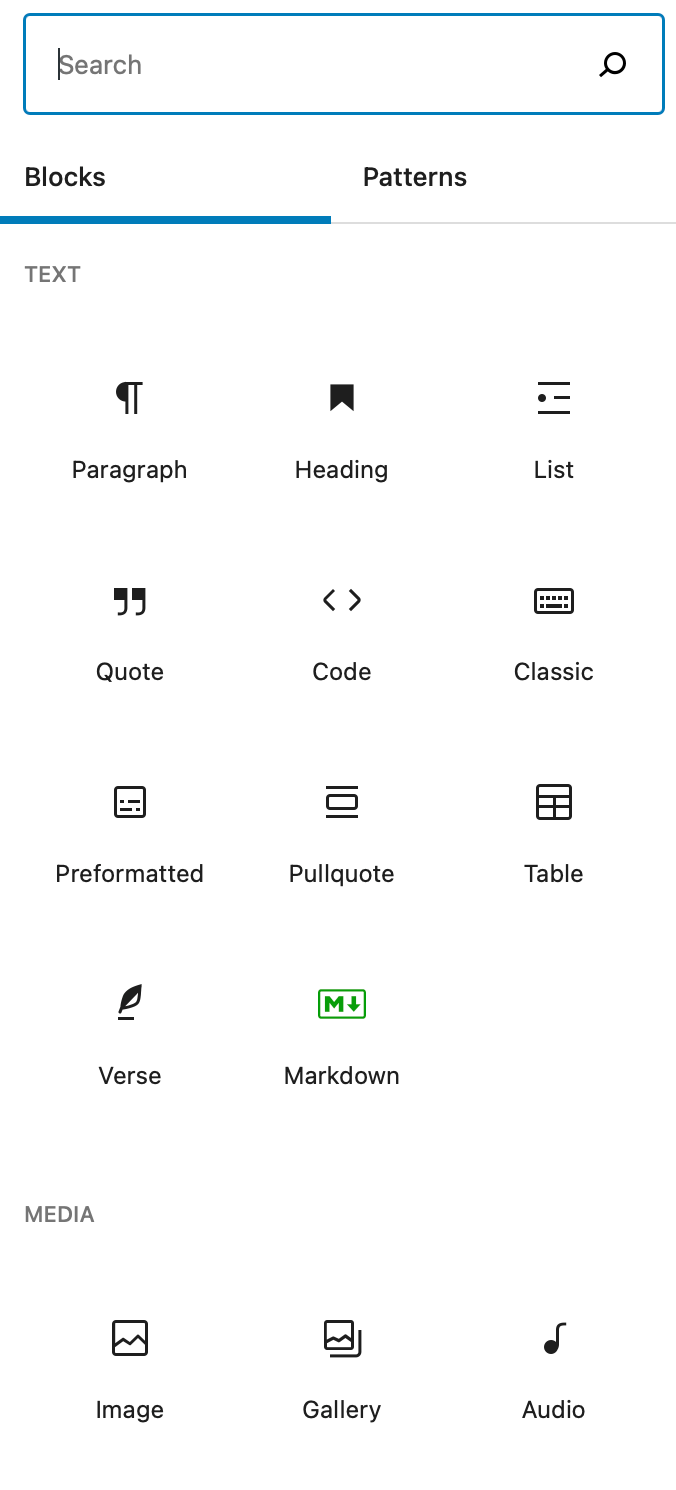
If you've used any modern blogging tool, note-taking app, or content management system lately, you've likely encountered the block-based editing interface. You click a + button or type a forward slash (/), and a menu appears offering various content types: paragraphs, images, embeds, kanban boards, calendars, and more. This paradigm has become nearly universal, yet each platform implements blocks in its own proprietary way—creating a fragmented ecosystem where blocks are locked inside their original applications.
The Rise of Block-Based Editors
WordPress, Notion, Medium, and countless other platforms have adopted the block metaphor. Instead of a monolithic text editor, you build pages by stacking discrete components. This approach is intuitive and flexible, letting users mix text with rich widgets seamlessly. However, the insertion mechanism (the / key) may be standardized, but everything else—how blocks are defined, rendered, and interacted with—is not.
The Problem with Proprietary Blocks
Currently, every app that wants a block system must build it from scratch. Want a calendar widget? Code it yourself. Need an interactive Kanban board? Add it to your development backlog. This means users of one platform cannot use blocks from another. If you're using a lesser-known blog engine, you're stuck with whatever blocks the developer had time to implement—likely basic and incomplete. The end result: users suffer from limited capabilities, and developers waste effort reinventing the wheel.
Introducing the Block Protocol
To solve this, a new initiative called the Block Protocol aims to standardize how blocks are embedded and consumed across the web. It is an open, free, non-proprietary specification that any application can adopt. The core idea is simple: if an app follows the protocol, it can host any block that also follows the protocol—no matter who built it or for what platform.
How the Protocol Works
The Block Protocol defines a set of conventions for communication between a host application (e.g., a blog editor) and a block (e.g., a calendar widget). Blocks are self-contained units that can request data, respond to user interactions, and render in any container that adheres to the protocol. A very early draft has been released, along with sample blocks and a minimal editor to demonstrate the concept. The entire reference implementation is open-source.

What Can Be a Block?
Almost anything that makes sense in a document or web page can be a block: simple text paragraphs, lists, tables, diagrams, kanban boards, order forms, calendar widgets, videos, or complex data visualizations. Blocks can also interact with structured or typed data—for example, displaying a graph from a database query or a form that submits to an API. The only limit is what a web component can do.
Benefits for Developers and Users
For app developers, the protocol means writing block-hosting code once and instantly supporting a vast library of pre-built blocks. No more spending months on a custom calendar or gallery block. For block creators, developing a single block that works everywhere unlocks a huge audience. Users win because their favorite tools can offer richer, more diverse content components without fragmentation.
Building a Community
The Block Protocol is still in its infancy, but the goal is to foster an open-source community that creates a comprehensive library of high-quality blocks. Developers, designers, and content creators are invited to contribute ideas, code, and blocks. The protocol itself is designed to evolve through feedback and real-world use.
Getting Involved
If you work on any editor—blog, note-taking, CMS, or otherwise—consider adopting the Block Protocol. The early draft and sample code are available publicly. By joining the effort, you can help make blocks truly universal, giving users the freedom to pick the best block for the job regardless of their platform.
Related Articles
- North Korea-Linked Hackers Hijack Axios JavaScript Library in Sophisticated Supply Chain Attack
- Amazon Sets 'Rings of Power' Season 3 Premiere for November 2026
- Can Volcanic Eruption Forecasting Ever Match Weather Predictions?
- From Berlin Side Project to $5.2B: n8n Becomes Core of SAP's AI Orchestration Platform
- SkiaSharp 4.0 Preview 1 Launches with Major Skia Engine Overhaul and Uno Platform Co-Maintenance
- Mastering GitHub Copilot CLI: Interactive vs Non-Interactive Modes
- Migrating Your Photo Library from OneDrive to Ente Photos: A Complete Step-by-Step Guide
- How to Analyze Apple’s Revenue Guidance for the June Quarter: A Step-by-Step Breakdown for Investors