10 Surprising Revelations from Japan's Landmark DNA Study
The story of Japan's ancestral origins just got a whole lot more complex. For decades, scientists believed that the Japanese people descended from two main groups: Jomon hunter-gatherers and Yayoi rice farmers. But a massive new DNA analysis of thousands of modern Japanese individuals has turned that idea on its head. The study uncovered a previously overlooked third ancestral group linked to the ancient Emishi people of northeastern Japan, and also revealed hidden Neanderthal and Denisovan DNA tied to health conditions like diabetes, heart disease, and cancer. Here are 10 key takeaways from this groundbreaking research.
1. The Long-Held Dual-Origins Theory Has Been Overturned
For years, the dominant model of Japanese ancestry was the dual-origins hypothesis: early Jomon hunter-gatherers were gradually replaced or assimilated by Yayoi migrants from the Korean Peninsula around 3,000 years ago. But new genome-wide data from over 3,200 people across all seven regions of Japan shows that this narrative is incomplete. A third ancestral component was hiding in the genetic data, especially prominent in northeastern Japan. This discovery reshapes our understanding of how Japan was populated and suggests that ancient migration routes were more diverse than previously thought.
2. A Third Ancestral Group: The Emishi Connection
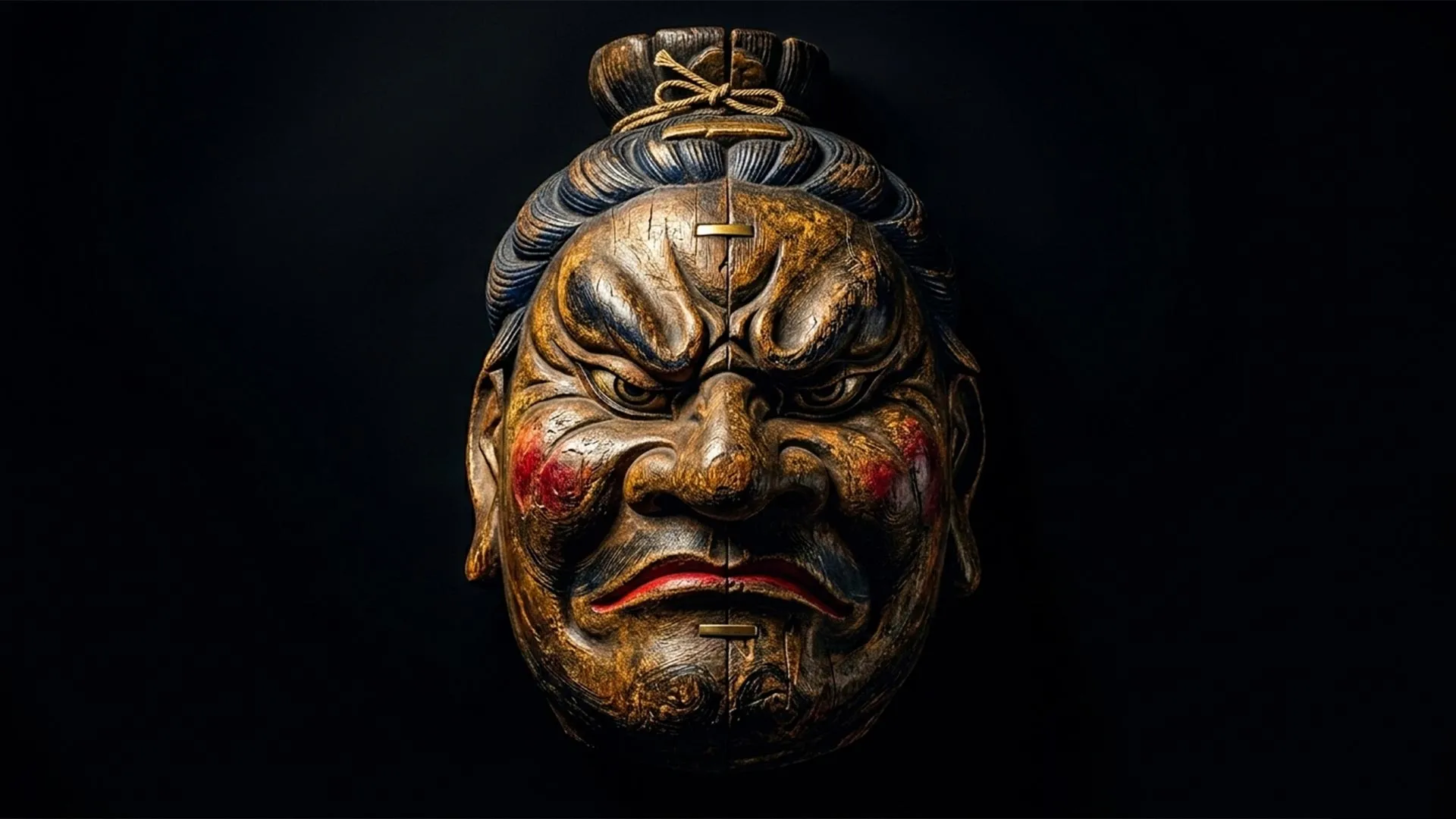
Geneticists identified a distinct ancestry signature that aligns with the Emishi people, an ancient group historically described as living in the Tohoku region of northeastern Honshu. The Emishi were often depicted as enemies of the Yamato state, but their genetic legacy has persisted. The analysis found that this third component is strongest in modern individuals from Tohoku and Hokkaido, weakening toward the south. This suggests that the Emishi were not merely a cultural or political group, but a genetically distinct population that contributed significantly to the Japanese gene pool.
3. Thousands of Genomes Reveal a Hidden Layer
The study's power comes from its scale. Researchers sequenced and analyzed the genomes of 3,256 Japanese individuals from all 47 prefectures, making it one of the most comprehensive genomic surveys of any nation. By comparing these genomes with ancient DNA samples and global reference populations, they could tease apart subtle ancestral signals. This large sample size allowed them to detect the third ancestry even though it had been diluted over millennia. Without such a broad dataset, the Emishi-related component would have remained invisible.
4. Neanderthal DNA Is Widespread in Japanese Genomes
Like all non-African humans, the Japanese carry remnants of Neanderthal DNA from interbreeding that occurred after modern humans left Africa. However, the new study found that specific Neanderthal variants are unusually common in Japan, suggesting ancient selective pressures. Some of these variants are linked to type 2 diabetes, a condition that affects millions in Japan today. The research indicates that natural selection may have favored certain Neanderthal genes during Japan's past, but those same genes now increase disease risk in modern environments.
5. Denisovan DNA Also Contributes to Disease Risk
In addition to Neanderthals, the genomes contain Denisovan DNA inherited from ancient hominins who lived in Asia. The study identified Denisovan variants associated with higher risks for heart disease and certain cancers. This finding is surprising because Denisovan ancestry is typically higher in populations from Oceania and Southeast Asia. The presence in Japan suggests that ancient Denisovans once ranged further north, and that their genetic legacy continues to influence health outcomes in modern Japanese people.
6. Diabetes Genes Tied to Ancient Introgression
One of the most clinically relevant discoveries involves diabetes susceptibility. The researchers found that several Neanderthal-derived alleles in Japanese genomes are strongly associated with increased risk of type 2 diabetes. These genes likely helped ancient humans adapt to cold climates or changes in diet, but in today's calorie-rich environment they predispose individuals to metabolic disorders. The study highlights how evolutionary trade-offs from ancient interbreeding still shape disease patterns in Japan, and suggests that personalized medicine could benefit from tracking these archaic variants.
7. Heart Disease and Cancer Risks Have Archaic Roots
The Denisovan DNA in Japanese genomes is not just a historical curiosity—it has real health implications. Specific Denisovan haplotypes were linked to cardiovascular disease and cancer, particularly in northeastern populations where the third ancestral component (Emishi) is strongest. This suggests that the Emishi group may have carried a higher load of Denisovan genes, and that these archaic variants remain active in disease pathways. Understanding this connection could lead to better risk assessment and prevention strategies tailored to regional Japanese populations.
8. Regional Genetic Diversity Is Greater Than Expected
Japan is often thought of as culturally and genetically homogeneous, but the DNA data reveals striking regional differences. For example, the newly identified Emishi-related ancestry is most concentrated in the Tohoku region and declines steadily toward the southwest. Meanwhile, Jomon ancestry is highest in Okinawa, while Yayoi ancestry dominates in western Japan. This clinal distribution contradicts the idea of a single Japanese genome and underscores how geography and history have shaped local gene pools. The findings have implications for medical genetics, as disease variants may be region-specific.
9. The Emishi Were More Than Mythological Figures
Historical records from the Nara and Heian periods describe the Emishi as fierce warriors who resisted Yamato rule. But until now, there was little genetic evidence for their existence as a distinct population. This study provides the first direct genomic confirmation that the Emishi were a real biological group with unique ancestry that survives today. Their genetic signature includes a blend of Jomon, Yayoi, and possibly a separate Paleolithic migration from Siberia. This puts flesh on the bones of ancient chronicles and shows that oral histories can contain genuine biological memory.
10. A New Chapter for Anthropology and Medicine
The implications of this study extend far beyond Japan. It demonstrates how large-scale genomic surveys can uncover hidden ancestry and link it to disease risk. For anthropologists, the work refines models of human migration in East Asia and reveals the complexity of admixture events. For medical researchers, the identification of Neanderthal and Denisovan variants tied to diabetes, heart disease, and cancer opens new avenues for drug targets and preventive screening. Japan's DNA story is a microcosm of global human history—and a reminder that our past is written in our genes.
Conclusion: The discovery of a third ancestral group in Japan, along with the health impacts of ancient DNA, revolutionizes what we thought we knew about the Japanese people. From the Emishi of the northeast to the Jomon of the south, every region carries a unique genetic legacy. This landmark study not only rewrites history but also offers practical insights for medicine. As genomics continues to advance, we can expect even more hidden chapters of human history to emerge from the genomes of modern populations.
Related Articles
- Ann Leckie's 'Radiant Star' Dazzles Critics: Sci-Fi Novel Set in Underground World Debuts
- The New Digital Frontier: 6 Things You Need to Know About Deepfake Porn, AI Privacy Leaks, and Electric Trucking
- Crisis in Classrooms: 1 in 7 Teachers Set to Quit or Transfer This Fall
- How to Implement GRASP for Robust Long-Horizon Planning with World Models
- Your Step-by-Step Guide to Exploring the NASA Goddard Visitor Center’s 50-Year Legacy
- Amazon WorkSpaces Now Gives AI Agents Secure Access to Legacy Desktop Applications
- Cosmic Whodunit Solved: White Dwarf Vampire Star Behind Gamma-Cas's X-Ray Fury
- 8 Key Facts About T-Mobile's Expanding Starlink Satellite Coverage Beyond the US