Google's New Laptop: A Genuine Ecosystem Shift or Just a Chromebook in Disguise?
When Google unveiled its latest laptop, the buzz centered on one question: Could this finally be the device that gives Android users the seamless ecosystem experience Apple fans have enjoyed for years? Dubbed the "Googlebook" by some, the new machine promises to close the gap between an Android phone and a computer, creating a cohesive workflow that rivals the iPhone-MacBook pairing. At first glance, the marketing suggests a purpose-built device designed for effortless communication with Android phones, delivering long-awaited ecosystem benefits. But beneath the glossy exterior, a deeper inquiry emerges: Is this truly Google's MacBook moment, or is it merely an old Chromebook wearing a fresh coat of paint?
The Promise of Seamless Integration
Bridging Android and Chrome OS
The core appeal of the Googlebook lies in its purported ability to merge Android phone functionality with a full-fledged laptop environment. Unlike earlier Chromebooks that treated phone integration as an afterthought, this device is said to be conceived from the ground up with interoperability in mind. Features such as cross-device notifications, instant file sharing, unified clipboard, and the ability to run Android apps natively on the laptop aim to create a fluid experience. For years, Android users have looked with envy at how an iPhone syncs effortlessly with a MacBook—handing off calls, messages, and even browser tabs. The Googlebook seeks to replicate that magic, potentially ending the fragmentation that plagued previous attempts.
The Ecosystem Advantage
Beyond basic connectivity, the Googlebook leans heavily on Google's own services—Drive, Photos, Messages, and the Google Assistant—to create a cohesive digital workspace. For users already invested in the Google ecosystem, this could mean less friction when switching between devices. The laptop is rumored to incorporate features like phone hub, which lets you send SMS, unlock files, and even mirror your phone's screen directly on the laptop display. These capabilities go beyond what traditional Chromebooks offered, hinting at a deeper integration that could challenge Apple's walled garden. Yet the question remains: Is this integration deep enough to change user habits, or will it feel like a series of bolted-on features rather than a unified whole?
Design and Hardware: A Fresh Look
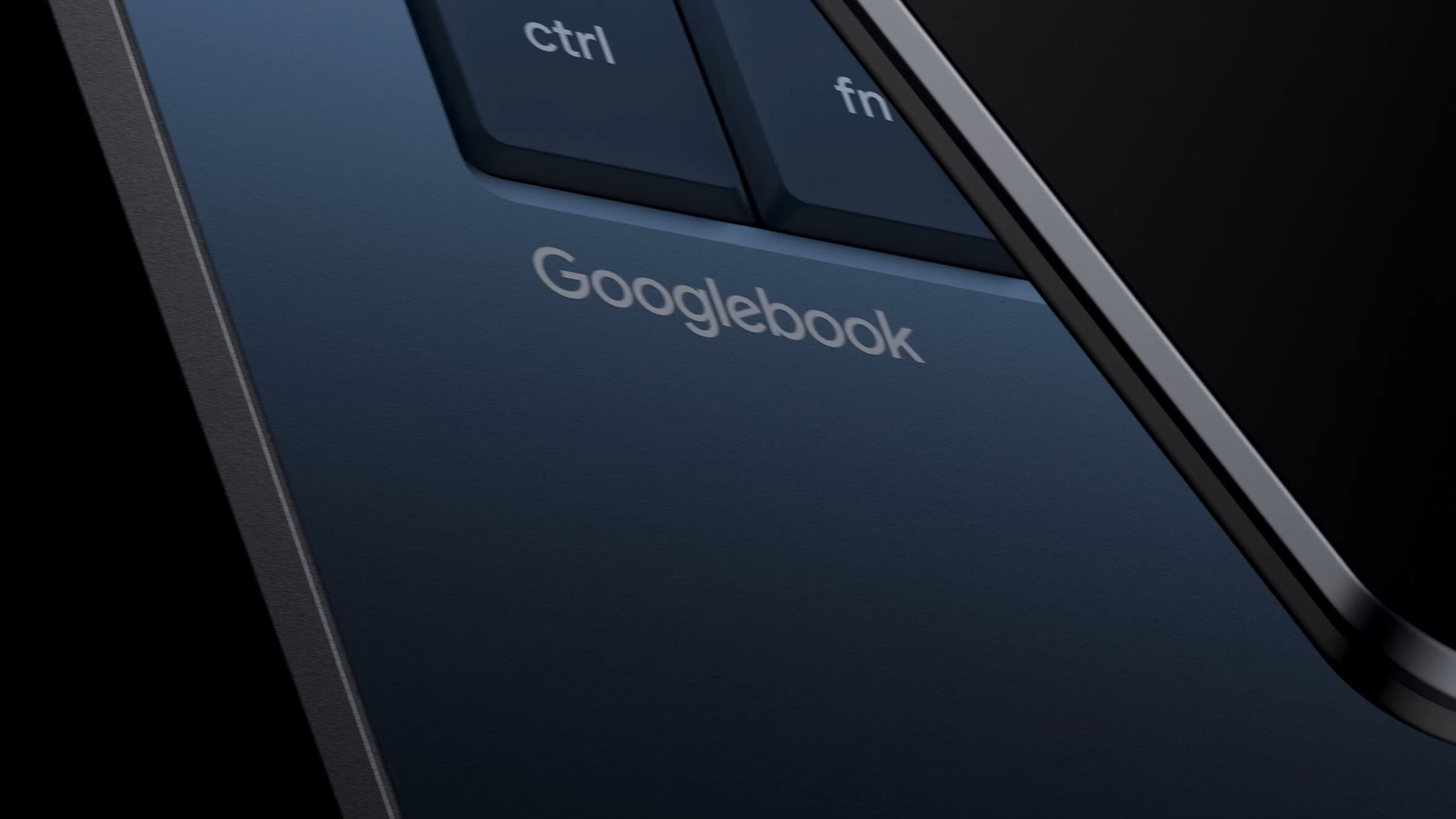
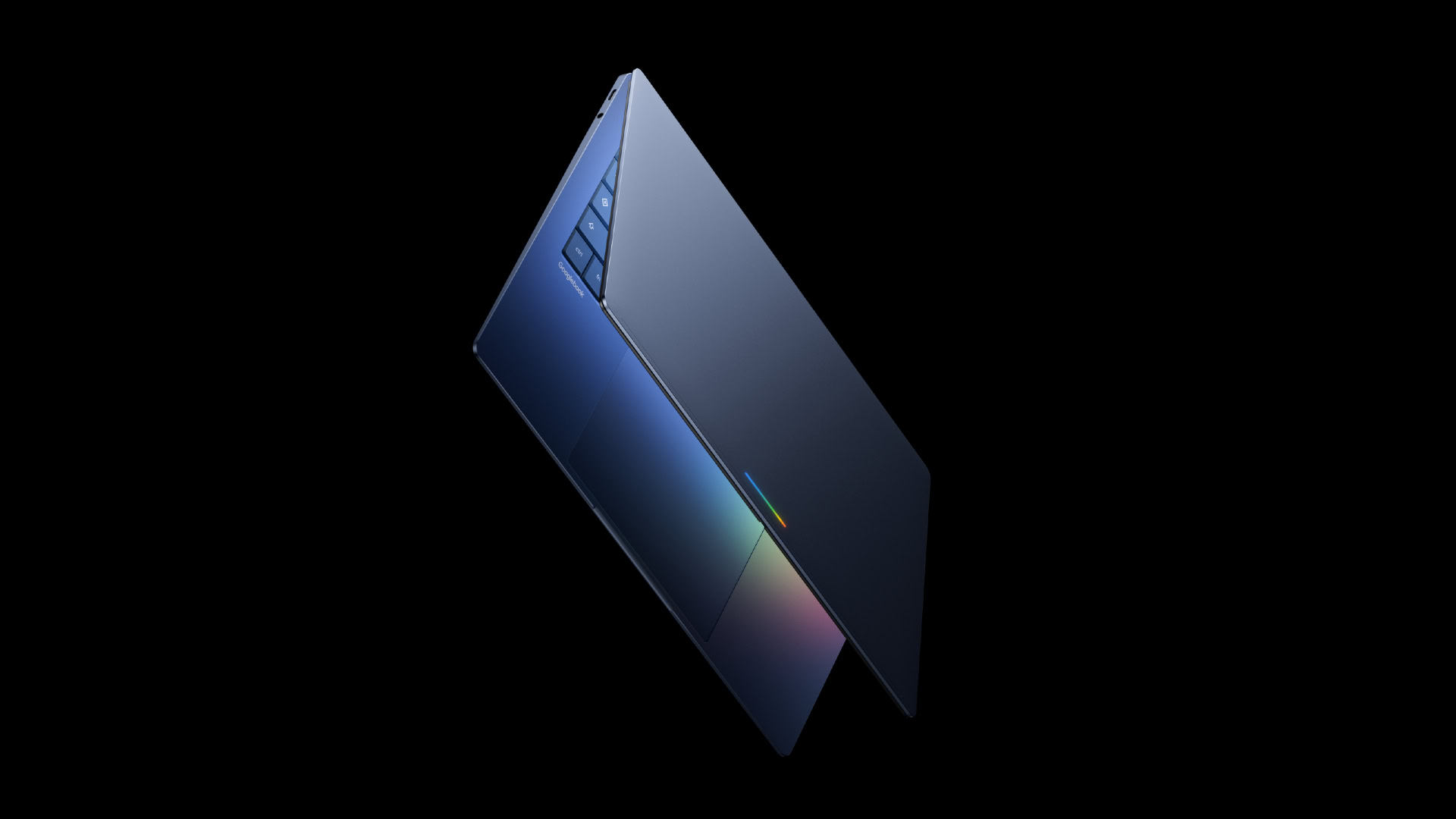
The Googlebook's hardware also sets it apart from past Chromebook iterations. Sleeker chassis, thinner bezels, higher-resolution displays, and improved build quality suggest Google is targeting a premium audience. Early reviews highlight the trackpad, keyboard, and overall portability as competitive with high-end ultrabooks. The inclusion of a powerful processor and ample RAM indicates that Google is not just repackaging an old Chromebook; the internals have been revamped to handle multitasking and demanding web applications. However, the operating system remains Chrome OS, which for many skeptical users evokes the memory of budget laptops with limited functionality. Has Google simply placed a premium shell around a still-humble OS, or has Chromebook evolved enough to be worthy of premium hardware?
Beyond the Surface: Is It Really a MacBook Moment?
To assess whether this is Google's MacBook moment, we must compare not only features but also vision. Apple's success with the MacBook stemmed from a deliberate, long-term strategy that integrated hardware, software, and services. The iPhone-MacBook synergy was not an afterthought but a core design principle. In contrast, Google's history with hardware has been more experimental—Nexus, Pixel, and then Chromebooks each tried to solve different problems. The Googlebook, while promising, may still suffer from the same fragmentation that has hindered Android phones and Chrome OS devices: limited third-party developer support, conflicting app interfaces, and occasional glitches when moving data between phone and laptop.
Moreover, the term "MacBook moment" implies a paradigm shift—a product that redefines a category. Apple's transition from Intel to its own M-series chips was such a moment, thanks to performance leaps and seamless ecosystem. Google's laptop might offer improved integration, but it lacks the revolutionary hardware leap. The device still runs on standard processors, and its ecosystem ties rely heavily on software updates that may or may not materialize as promised. For Android loyalists, the Googlebook could be a welcome step forward—but for the broader market, it may not be the game-changer that makes users abandon Windows or macOS in droves.
Conclusion
In the end, the Googlebook represents a significant evolution of the Chromebook concept, but it does not necessarily herald a MacBook-like revolution. It offers a glimpse of what a tightly integrated Android-computer experience could look like, yet it remains constrained by the same ecosystem challenges that have long faced Google. If you live entirely within Google's world, the laptop may feel like a revelation. However, for those expecting a device that instantly bridges the phone-laptop divide as elegantly as Apple's setup, the reality might fall short. The Googlebook is not a reinvention of the laptop; it is a refinement of an existing idea. Whether that refinement is enough to mark Google's MacBook moment depends on how well the software ecosystem matures in the coming years. For now, it is a promising step—but not the final destination.
Related Articles
- Developing VR Apps with React Native on Meta Quest: A Q&A Guide
- Google Ends Snapseed Drought: Major 4.0 Update Hits Android After iOS Exclusivity Pledge
- Build Cross-Platform VR Apps: React Native Now Officially Supports Meta Quest
- React Native 0.84: 8 Key Changes You Need to Know
- 10 Insights from TelemetryDeck's Swift-Powered Analytics Platform
- 10 Reasons Why TelemetryDeck Chose Swift for Its Analytics Backend
- React Native 0.84: Hermes V1 Becomes Default, Build Times Slash, and Legacy Code Removed
- How YouTube TV Avoided a Second Major Blackout: A Step-by-Step Guide to Carriage Deal Renewals