10 Fascinating Facts About the Physician's Kit Found on a Pompeii Victim
When Mount Vesuvius erupted in A.D. 79, it buried the Roman city of Pompeii under a thick layer of ash and pumice, preserving countless details of daily life for modern archaeologists. Among the most poignant and revealing discoveries is that of a man who perished while clutching a small medical kit. Recent CT scans have allowed researchers to examine the kit’s contents without disturbing them, offering an unprecedented glimpse into ancient medical practices and the tragic final moments of its owner. Here are ten key facts you need to know about this remarkable find.
1. The Victim Was Likely a Physician
The man, whose remains were found near the city's port, was probably a doctor or medic. He was carrying a leather pouch filled with surgical instruments and medicinal containers. This is not the first medical kit found in Pompeii, but the advanced scanning technology has revealed details that were previously invisible. The presence of high-quality tools suggests he may have been a skilled practitioner, possibly serving the local community or even the Roman military. His decision to bring the kit while fleeing indicates he valued it not just as property but as a means to help others during the disaster.
2. The Kit Contains a Variety of Tools
Inside the pouch, the scan detected several metallic objects, including forceps, a scalpel, and a probe. These instruments were standard for Roman physicians, used for procedures like bloodletting, wound suturing, and minor surgeries. The forceps, made of bronze, show signs of wear, suggesting frequent use. The scalpel's blade would have been sharpened repeatedly. The probe, often used for exploring wounds or applying medications, is a common find in ancient medical kits. The variety indicates the doctor was prepared for a range of emergencies.
3. Scans Uncover Hidden Details Without Damage
Researchers used micro-CT scanning, a noninvasive technique, to virtually peel away layers of volcanic ash and corrosion. This allowed them to see the shapes and compositions of the objects inside the kit without physically opening it. The scans revealed that some objects were originally wooden or organic, which had decayed over centuries, leaving only metallic parts. This technology is revolutionizing archaeology by preserving fragile artifacts while still extracting maximum information. The scan of this kit is a prime example of how modern tools can unlock secrets from the past.
4. Some Items Were for Preparing Medicine
Besides surgical instruments, the kit contained small stone or ceramic vessels likely used for grinding herbs and mixing ointments. Roman physicians often prepared their own remedies from plants like opium, henbane, and saffron. The presence of these containers suggests the doctor could compound medicines on the spot. One vessel even showed residues that may be traceable to specific compounds, though analysis is ongoing. This highlights the holistic nature of Roman medicine, which combined surgery with pharmacy.
5. The Eruption Was Sudden and Catastrophic
Mount Vesuvius erupted on August 24, A.D. 79 (or possibly later in October according to recent evidence). The initial phase sent a column of ash and pumice high into the sky, followed by pyroclastic surges that swept through the city. Many residents, including this doctor, died from asphyxiation or thermal shock. The fact that he was carrying his medical kit suggests he was trying to escape but also may have been attending to the injured. The kit survived because it was buried quickly by ash, preventing theft or decay.
6. The Kit’s Preservation Is Extraordinary
Organic materials like leather, wood, and cloth rarely survive centuries underground. But the volcanic ash that entombed Pompeii created a low-oxygen, low-moisture environment that slowed decomposition. The leather pouch of the medical kit, though charred, retained its shape. The metal tools corroded but remained identifiable. This level of preservation allows archaeologists to see not just the items but also how they were arranged – some still in the order a doctor would need them during a procedure.
7. This Find Changes Our Understanding of Roman Medicine
Until now, much of what we knew about Roman medical instruments came from isolated finds or texts. Seeing a complete, contemporaneous kit in its original context confirms that Roman doctors carried versatile, portable kits for house calls or battlefield medicine. The combination of surgical and pharmaceutical items suggests a blend of practices from Greek, Egyptian, and local traditions. The discovery also hints at the social status of physicians – carrying such a kit required significant investment, indicating that medicine was a respected (and profitable) profession.
8. Comparison with Other Pompeii Medical Finds
Pompeii has yielded other medical artifacts, such as the famous set of surgical instruments found in the House of the Surgeon. However, that was a fixed collection. The portable kit from the victim is unique because it was intended for travel. Similar kits have been found in Roman military camps, but rarely in civilian contexts. This suggests that the doctor may have been mobile, possibly attending to patients in different parts of the city. The kit's compact size – about the size of a modern pencil case – shows Roman ingenuity in packing essential tools.
9. The Doctor’s Final Path Is Traced
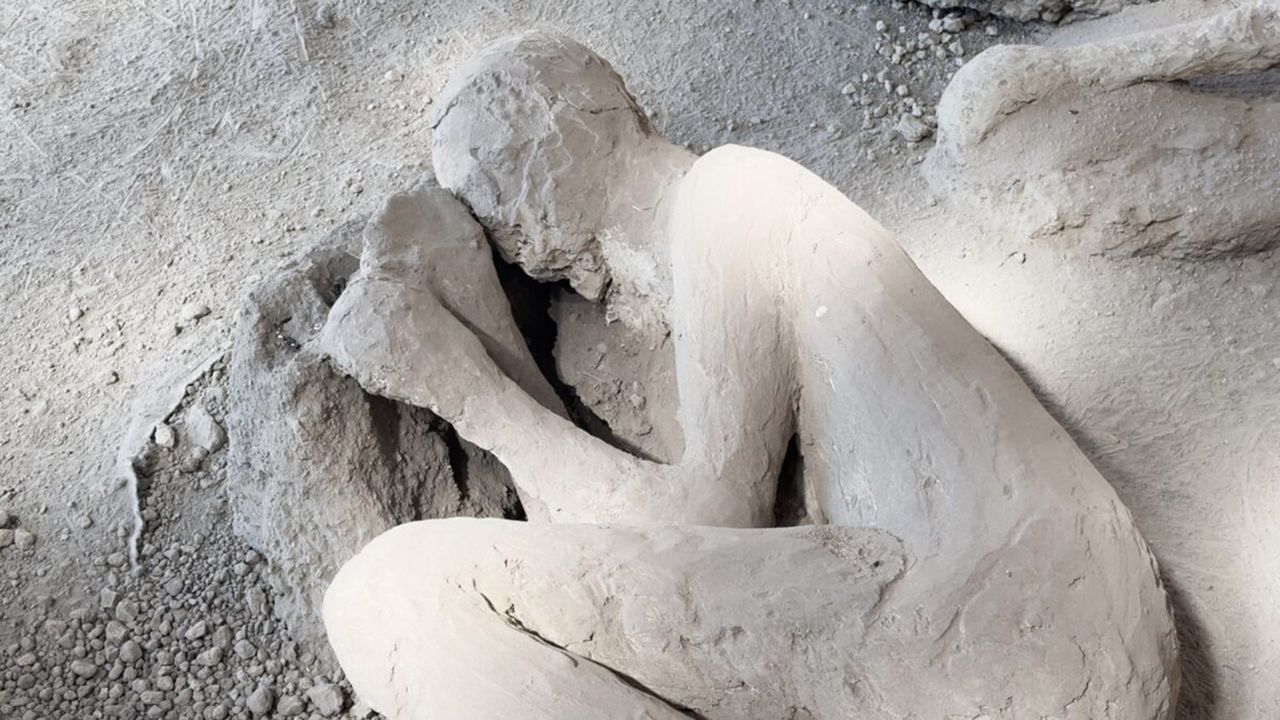
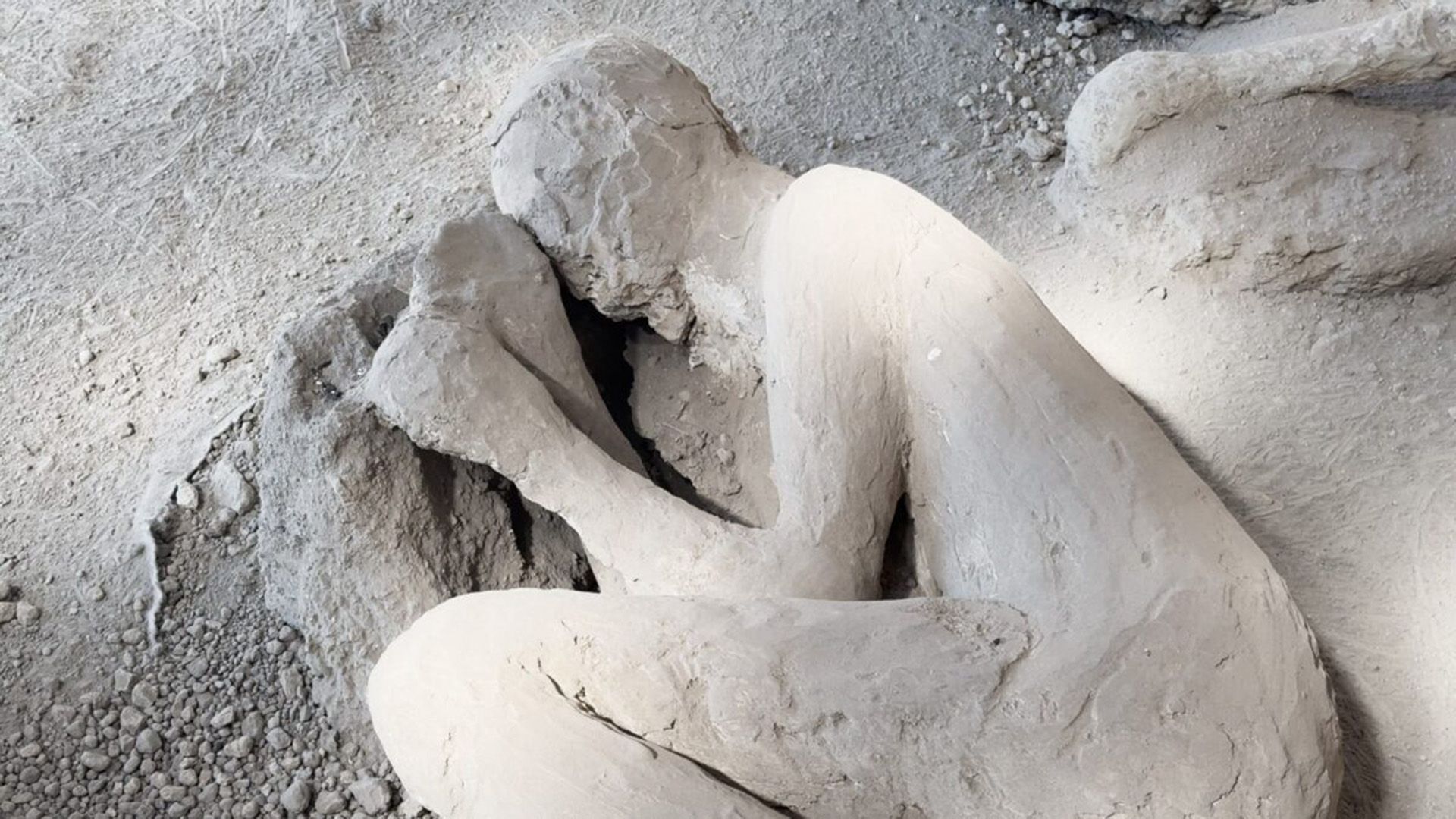
By studying the position of the body and the surrounding debris, researchers have reconstructed the victim's final moments. He likely fled toward the city gates but was overtaken by a pyroclastic surge. He fell face down, his medical kit tucked under his arm as if protecting it. The volcanic ash then hardened around him, preserving his posture. This poignant detail humanizes the tragedy, reminding us that even in the face of natural disaster, some people held onto their tools of healing.
10. Ongoing Research May Reveal More
Scientists are continuing to analyze the scan data and hope to extract DNA or chemical residues from the kit’s components. This could reveal what medicines the doctor used or even his own health condition. The study of the Pompeii victims through modern technology is a growing field, with each new discovery adding layers to our understanding of ancient life and death. The medical kit is a time capsule that, once fully decoded, will tell stories of a physician who lived and died in one of history's most famous disasters.
Conclusion
The doctor's kit found on a Pompeii victim is far more than a collection of old tools; it is a direct link to a person who lived and worked nearly two millennia ago. Through the lens of modern science, we can appreciate the sophistication of Roman medicine, the realities of sudden catastrophe, and the universal human instinct to care for others even in the face of doom. As research continues, this small pouch may yield even more secrets, reminding us that history is not just about grand events but also about the individuals who experienced them.
Related Articles
- 8 Key Factors Shaping Your Daily Exposure to Environmental Health Risks
- The Persistence of PFAS in Infant Formula: What Parents Need to Know
- Genomic Testing Urged as First-Line Tool, Not Last Resort
- 10 Critical Insights: How AI Compares to Doctors in Medical Diagnosis
- The Artificial Egg: A Step-by-Step Guide to Colossal Biosciences' 3D-Printed Avian Incubation Technology
- Revolutionary DNA-Based Therapy Slashes LDL Cholesterol Nearly 50% Without Statins
- Decoding the Mechanism: How a Common Cold Virus Blocks Cancer Metastasis to the Lungs
- A Step-by-Step Guide to Responding to a Healthcare Data Breach: Lessons from NYC Health + Hospitals