Team Group Settles $1.1 Million DRAM False Advertising Lawsuit: What It Means for Consumers
Lawsuit Background
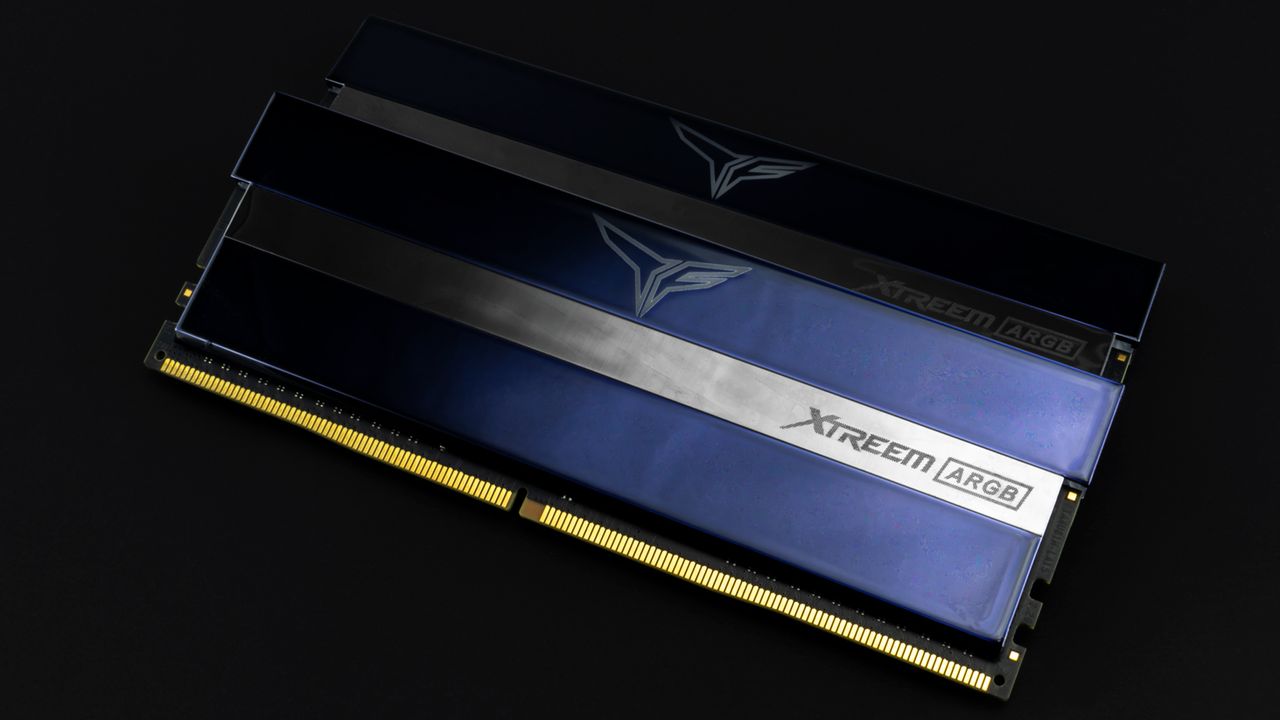
In a legal dispute that has drawn attention from the PC hardware community, memory manufacturer Team Group has agreed to settle a class-action lawsuit over claims that its DRAM products were advertised with speeds that required non-standard BIOS adjustments and overclocking to achieve. The lawsuit, which sought $1.1 million in damages, alleged that the company misled consumers by listing memory speeds that were only attainable through hidden settings or overclocking profiles, not at default motherboard configurations.
Allegations of Misleading Speeds
The plaintiffs argued that Team Group’s marketing materials and product specifications for certain DDR4 and DDR5 modules promised performance levels that could not be reached without enabling XMP (Extreme Memory Profile) or similar overclocking features in the system BIOS. They claimed that a typical user, plugging the memory into a standard motherboard without tweaking settings, would see speeds well below the advertised numbers. This practice, the lawsuit stated, constituted false advertising and unfair competition under California consumer protection laws.
Settlement Terms and Denial of Wrongdoing
While Team Group agreed to pay $1.1 million to resolve the litigation, the company explicitly denied any wrongdoing or liability. In the settlement documents, Team Group maintained that its products were capable of the advertised speeds when used with compatible systems and recommended settings—a stance that is common in many class-action settlements to avoid an admission of fault. The settlement fund will be distributed to class members who purchased the affected DRAM models during the specified period, after legal fees and administrative costs are deducted.
What This Means for Consumers
For end users, this case highlights a persistent issue in the memory industry: the gap between theoretical performance in controlled conditions and real-world, out-of-the-box speeds. Many memory kits rely on overclocking profiles like Intel XMP or AMD EXPO to reach their rated frequencies. While these profiles are widely supported, they are not automatically enabled, meaning less experienced users may never benefit from the full performance they paid for. The settlement serves as a reminder to read product descriptions carefully and understand that advertised speeds often require configuration changes.
Implications for the Memory Industry
The lawsuit against Team Group is part of a broader trend of legal actions targeting false advertising in computer hardware. Similar cases have been filed against other DRAM and GPU manufacturers over the past decade. Industry observers suggest that such settlements may push companies to be more transparent about speed requirements—perhaps by including prominent disclaimers or adopting standardized testing methodologies. The $1.1 million payout, while significant, represents a small fraction of Team Group’s annual revenue, but the reputational risk could be more impactful.
Expert Perspectives
Legal experts point out that class-action settlements often result in modest individual payouts for consumers—sometimes just a few dollars per claimant—but they serve a regulatory function. By holding companies accountable, these lawsuits encourage better labeling practices. PC hardware reviewers and overclocking enthusiasts have long noted the discrepancy between rated and default speeds. Some have called for industry-wide guidelines, such as listing both “rated with XMP” and “default JEDEC” speeds on product pages.
Advice for Buyers
- Check the fine print: Look for mentions of XMP, EXPO, or overclocking in product specifications. If advertised speeds require these features, be prepared to enable them in BIOS.
- Read reviews: Professional reviews often test memory at both default and rated speeds, giving you a realistic picture of performance.
- Understand your hardware: Not all motherboards and CPUs support high-speed memory profiles. Verify compatibility before purchasing.
- Consider default speeds: Some manufacturers now list JEDEC standard speeds alongside overclocked ratings. Use these as a baseline for expected out-of-box performance.
Conclusion
The Team Group settlement, while denying wrongdoing, underscores a longstanding issue in the PC memory market. Consumers should be aware that the high speeds advertised for DRAM often require a bit of technical know-how to unlock. As legal pressure mounts, the industry may move toward clearer disclosures, benefiting everyone from novices to overclocking veterans.
Related Articles
- Elon Musk's OpenAI Lawsuit Dismissed: Key Takeaways from the Jury's Swift Rejection
- Immigration Attorney for Y Combinator Startups Hosts AMA: Key Takeaways for Founders
- Courtroom Showdown: Greg Brockman's $30 Billion OpenAI Stake and the Fight Over the Company's Mission
- Your Ultimate Step-by-Step Guide to Securing Your Messages with Signal
- OpenAI Lawsuit Intensifies: Musk's Courtroom Testimony Reveals Bitter Founders Feud
- 9to5Mac Daily April 30, 2026: OpenAI Smartphone Buzz and Top Apple News
- Utah's New Age Verification Law: What You Need to Know About the VPN Restrictions
- Breaking: Your Online Tracking Data Sold Directly to Law Enforcement Without a Warrant, EFF Investigation Reveals