Rocket Industry Update: Starship, Blue Moon, and the Pentagon's Space Defense Initiative
Starship Prepares for Next Test Flight Amid Lunar Timeline Debates
SpaceX's Starship, the most powerful rocket ever built, experienced a relatively calm week as the company gears up for its next test flight, potentially in May. This upcoming launch will be closely watched, as its results, combined with Blue Origin's first attempt to land its Blue Moon cargo lander on the Moon in the coming months, will provide critical insights into NASA's ability to return astronauts to the lunar surface by 2028.
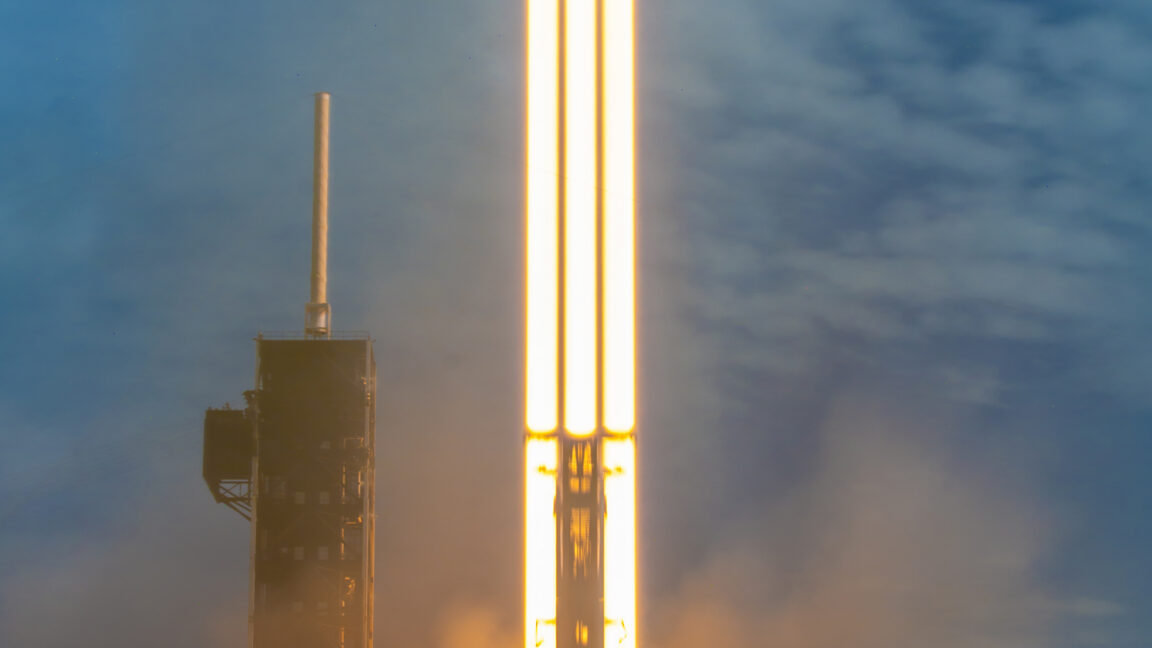
Blue Origin's Lunar Landing: A Milestone for Commercial Space
Blue Origin is poised to make history with its first lunar landing attempt using the Blue Moon cargo lander. This mission represents a major step for the company's ambitions in cislunar space and will test technologies essential for future crewed landings. The outcome will influence NASA's confidence in its Artemis program timeline, which currently targets a human lunar landing in 2028.
NASA's 2028 Goal Hinges on Upcoming Flight Results
The space agency's plan to put astronauts on the Moon faces significant technical and scheduling challenges. The performance of Starship's next test flight and the success of Blue Origin's lunar landing will be key data points. If either mission encounters major setbacks, the 2028 deadline may slip, underscoring the high stakes of these upcoming launches.
Pentagon's Golden Dome: A Dozen Companies to Develop Space-Based Interceptors
On April 24, the US Space Force disclosed the list of 12 companies selected to work on Space-Based Interceptors (SBIs) for the Pentagon's Golden Dome initiative. This multilayer defense system aims to protect US territory from a wide range of threats, including drones, ballistic missiles, hypersonic weapons, and cruise missiles.
The roster of contractors spans established defense giants and emerging space firms:
- Anduril Industries
- Booz Allen Hamilton
- General Dynamics Mission Systems
- GITAI USA
- Lockheed Martin
- Northrop Grumman
- Quindar
- Raytheon
- Sci-Tec
- SpaceX
- True Anomaly
- Turion Space
These companies will contribute in various capacities to design, build, and deliver SBI prototypes for testing. The agreements have a combined maximum value of $3.2 billion. Later, contracts for full-scale production are expected to carry a significantly higher price tag, reflecting the scale of the Golden Dome vision.
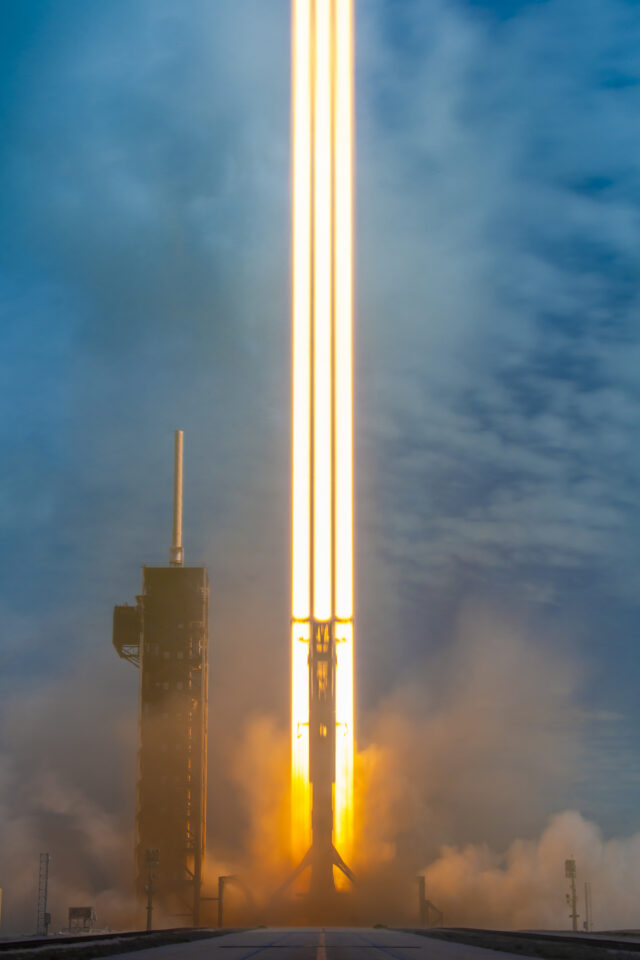
Implications for Space-Based Defense
Golden Dome represents a major shift in missile defense strategy, positioning interceptors in orbit to counter advanced threats. The involvement of SpaceX, a leader in low-cost launch and satellite manufacturing, suggests a focus on rapid deployment and constellation-style architectures. Other players like True Anomaly and Turion Space bring expertise in on-orbit operations and space domain awareness.
Looking Ahead: The Next Three Launches
As with each edition of this roundup, the upcoming schedule includes missions spanning small, medium, and heavy-lift rockets. These launches will continue to shape the commercial and military space landscape. For the most current calendar, readers are encouraged to check launch tracking resources.
Editor's note: This article is based on the latest Rocket Report edition (8.39). If you would like to receive future updates directly, consider subscribing—the subscription form is available on the standard version of this page.
Related Articles
- Blue Origin's Endurance Moon Lander: Key Q&A on Its NASA Vacuum Chamber Testing
- How to Prevent Subdomain Hijacking: A Guide for University IT Administrators
- 10 Fascinating Insights from Cambrian Fossil Discoveries That Reshape Our Understanding of Early Life
- 5 Surprising Ways a Single Protein Could Combat Aging (Mice Study)
- How to Decode NASA's TESS All-Sky Map: A Step-by-Step Guide to Exploring Exoplanets
- Clean Room Upgrades Pave the Way for Roman Space Telescope Processing at Kennedy
- 7 Astonishing Revelations from NASA's Mars Rover Panoramas
- Quantum Time Duality: Scientists Prepare to Test if Clock Can Tick Both Faster and Slower Simultaneously